


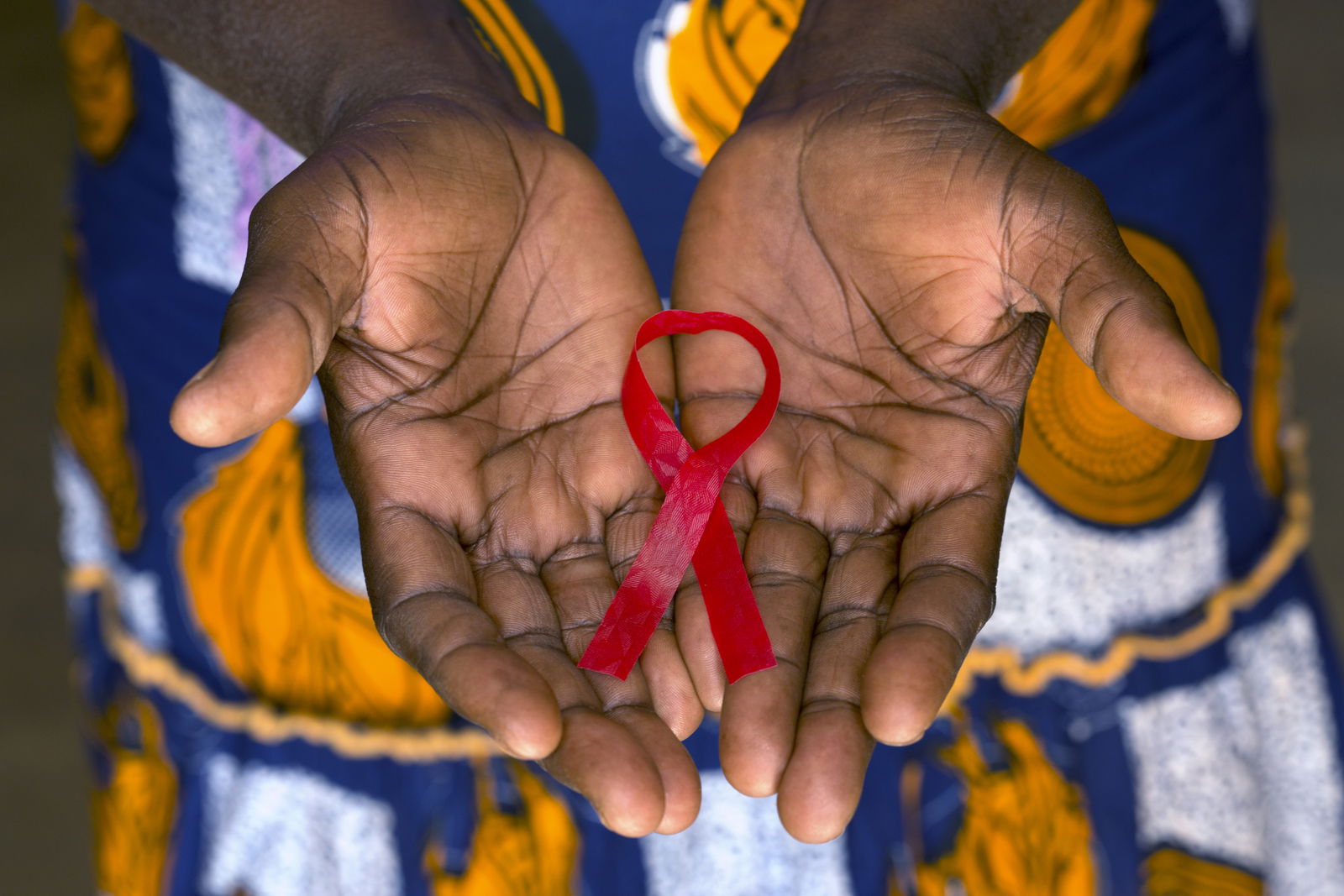


Despite advances in HIV prevention, thousands of new cases occur annually, with black communities in the South, especially women, often being overlooked.
Despite advances in treatment and prevention since the 1980s, HIV is still disproportionate affects black communities in the South, the impact on black women is often overlooked.
Recent studies show that thousands of new cases of HIV are diagnosed each year. In 2023, more than 39,000 of these cases were diagnosed among persons 13 and older in the United States and its territories; USA Today reports.
Of those cases, 81% were male, 38% were black, and 51% were in the South.
Black women accounted for half of all female HIV diagnoses, despite making up only 13% of the female population. The South accounts for more than half of these diagnoses and 56% of HIV-related deaths, even though it accounts for roughly one-third of the US population.
“The burden of HIV in the South is overwhelming,” said Athena Cross, vice president and chief program officer for AIDS in the United States. “Not only are there risks, but there is not necessarily education and awareness about HIV prevention. There’s still a lot of cultural stigma in the South that keeps people from wanting to access care or even being able to follow up on a diagnosis.”
Many underestimate the disease due to the overall decline in incidence. Since the AIDS epidemic in the 1980s, men have been the main face of HIV and the main users of PrEP and sexual health services.
Although PrEP use has increased recently, blacks make up just 12% of users, 39% in the South, and only 9% of users are women. Another barrier is the limited number of hospitals and healthcare providers in the rural South, coupled with anti-LBGTQ+ stigma, which contributes to continued misinformation and ignorance about the disease.
Tori Cooper, a black Southern woman and director of community engagement for the Human Rights Campaign, says she has rarely been offered an HIV test over the years.
“You have to find some people who are non-judgmental about HIV,” he said. “You have to have people who just love and support you, and for a lot of people, that’s a challenge.”
A solution leader is Masonia Traylor, a Decatur, Georgia native and activist who was diagnosed with HIV at age 23. Traylor, now 38, is CEO and founder. Lady Burgandy Inc., a non-profit organization that supports women and youth affected by HIV/AIDS.
Other initiatives include the United AIDS Organization melanative movement, which empowers young women to lead educational programs on HBCU campuses, and SisterLove, a Southeast US-based organization that has been advocating for women’s AIDS, sexual, and reproductive justice for more than 35 years.
“HIV is not an evenly distributed virus. It does affect some of the most vulnerable communities. And that was true four decades ago, and it’s still true today,” said Rashad Burgess, vice president of corporate responsibility at Gilead Sciences.
RELATED CONTENT: Snoop Dogg partners with GLAAD to bring HIV awareness to HBCU campuses
