


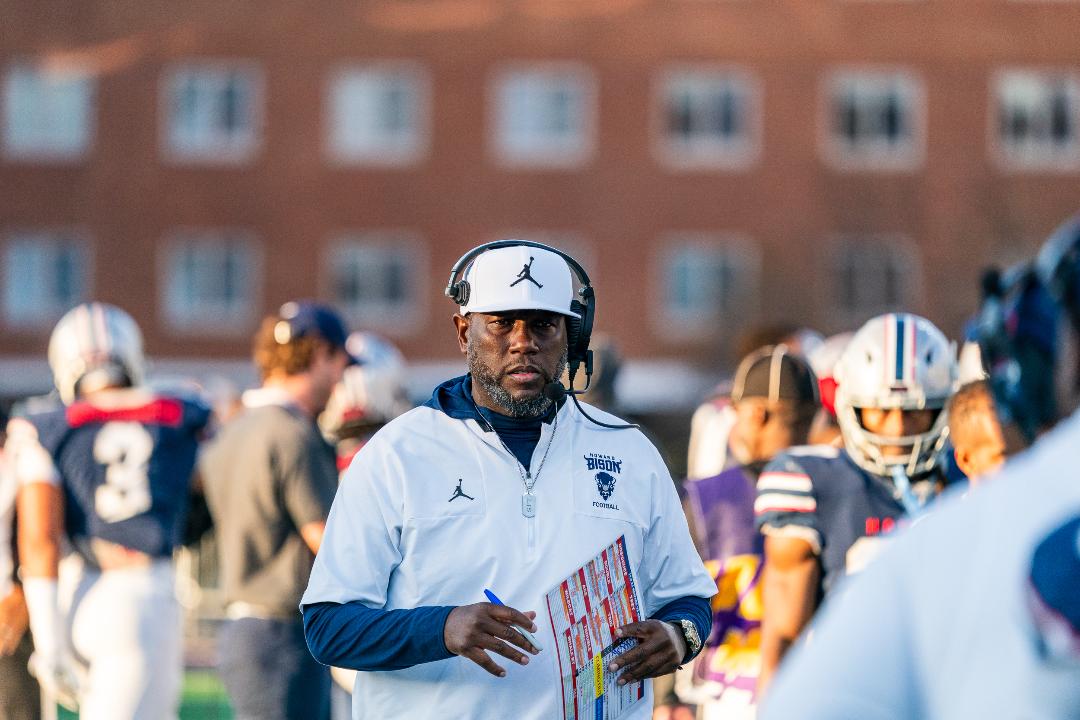

Howard University head football coach Larry Scott Leaving the Bison program to join the Auburn University coaching staff marks a major transition for one of the most visible programs in HBCU football. The move comes as Auburn continues to finalize its roster ahead of next season and Howard prepares for another leadership change. Howard University.

Scott, who has been at the helm at Howard since 2020, has helped raise the Bison’s national profile during his tenure, guiding the program through competitive seasons that have consistently kept Howard in the national HBCU football conversation.
Larry Scott’s move from Howard to the SEC
Scott’s return to the Southeastern Conference places him as the tight end coach on Auburn’s staff, returning him to the Power Five after several seasons leading the way at the HBCU level. His departure from Howard and his new role at Auburn were first reported in a report detailing the coaching move and its implications for both programs. Clutch Points.
The move was later reflected in Auburn’s official coaching staff updates and SEC-centric reports as the Tigers continued their offseason hiring, confirming Scott’s addition to the staff in connection with Auburn’s coaching changes. 247 Sports.
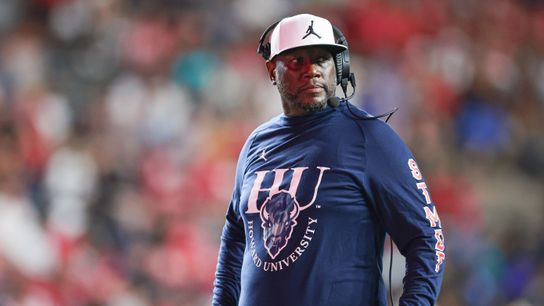
Impact on Howard University Football
Scott’s departure creates a notable vacancy for the Howard program, which remains one of the most recognizable brands in HBCU football. During his tenure, Scott helped stabilize the program and guide it through nationally significant moments that brought attention to Howard football and its place in the HBCU landscape, continuing a legacy closely associated with Howard University.
The university is now expected to begin the process of identifying its next head coach, focusing on maintaining momentum as it watches the evolving landscape of Division I and HBCU football.
Auburn’s Addition and What’s Next
For Auburn, the addition of Scott brings veteran leadership and proven positional experience to a staff focused on offensive development. His coaching in the backfield at the Power Five level aligns with Auburn’s emphasis on physicality and versatility as it prepares for the upcoming season.
Scott’s move also reflects a broader trend of HBCU coaches moving into prominent Power Five roles and underscores the continued influence of HBCU football within the national coaching pipeline.
As Howard prepares for his next chapter and Scott begins his new role at Auburn, the move is another example of the growing intersection between HBCU programs and major college football opportunities.
