


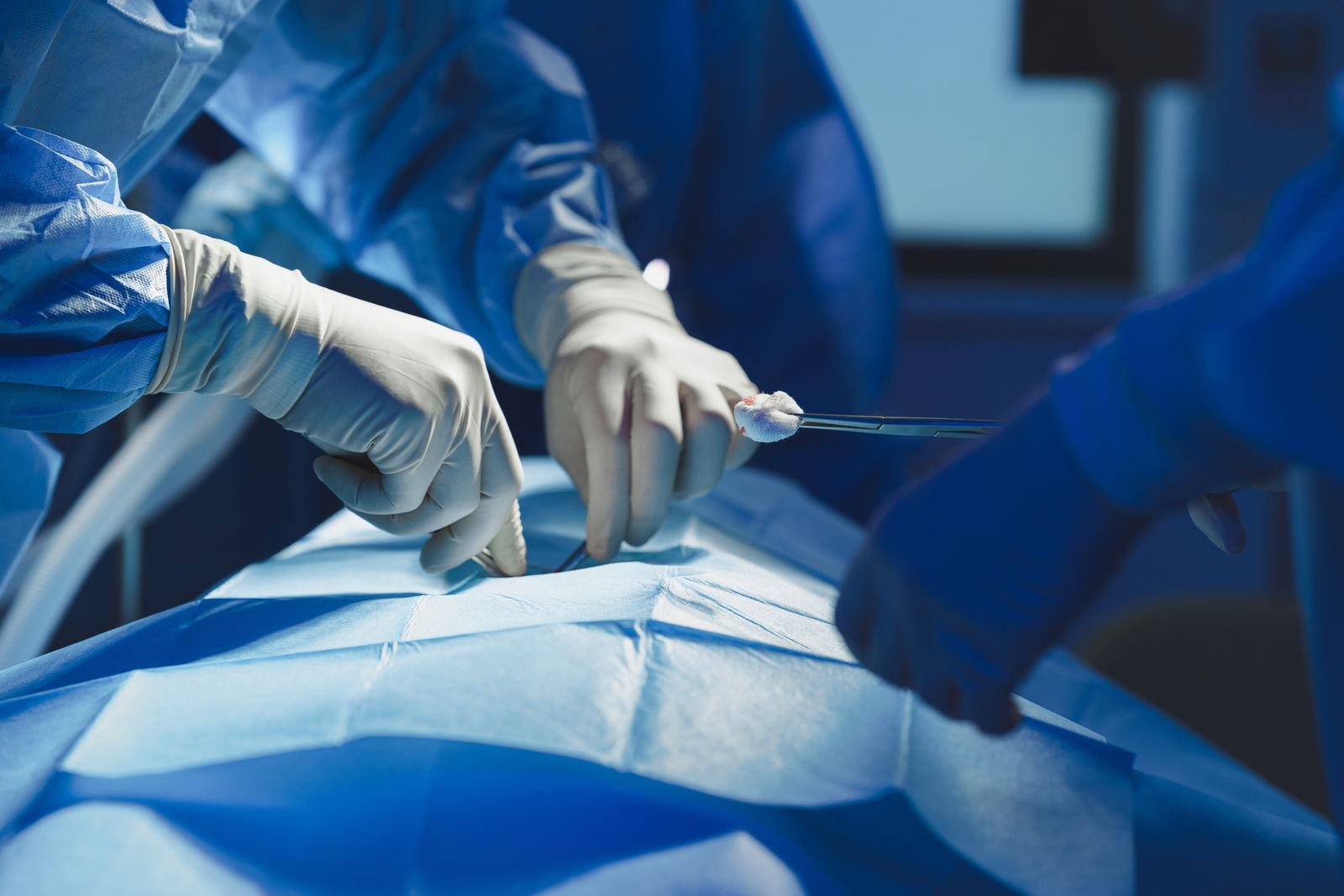

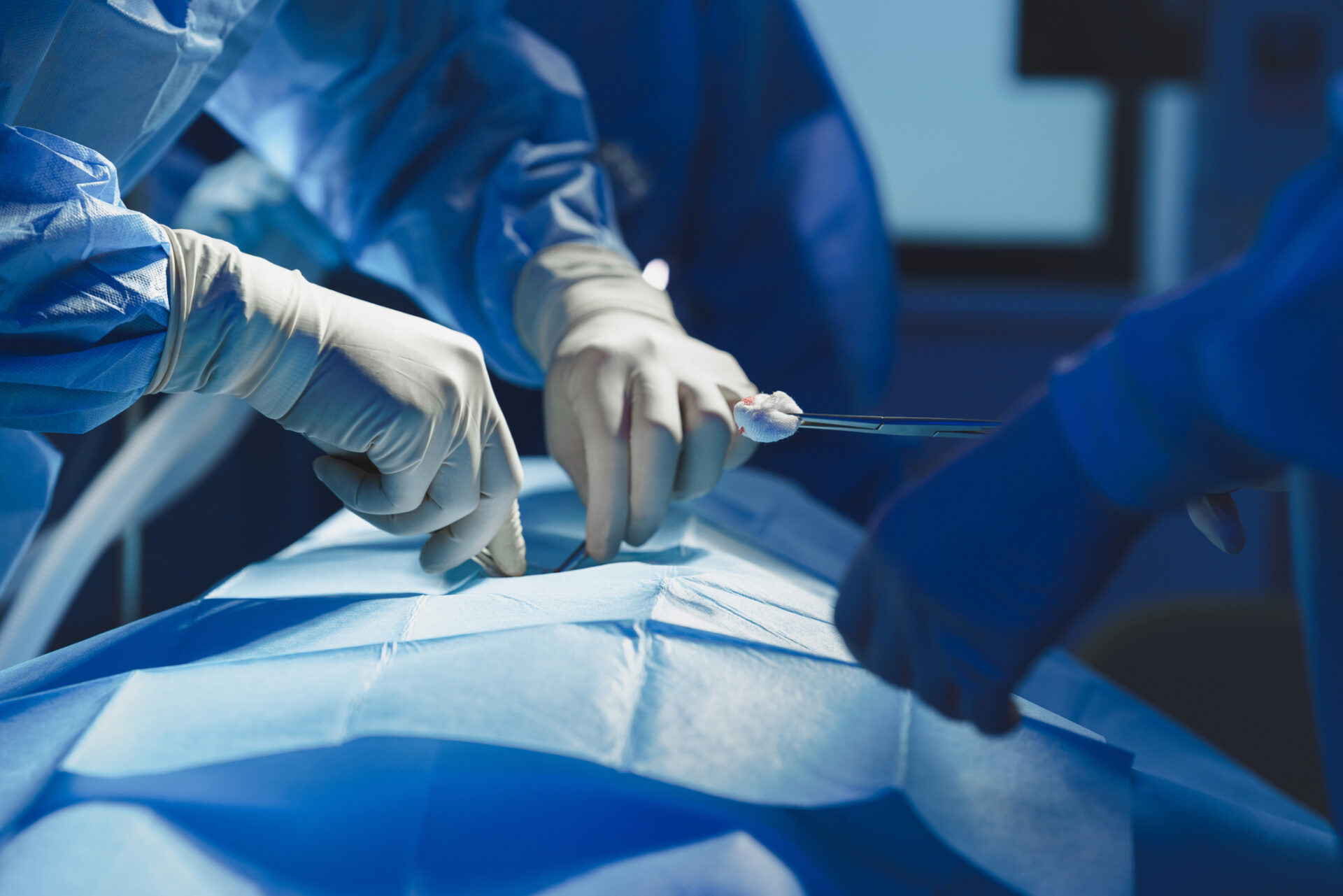

Donated fat can help patients who do not have their own to undergo these cosmetic procedures.
For those who are dying for an hourglass, this unexpected hero can help with some plastic surgery.
The use of donated cadavers, dead human body used for medical research or other purposes, has become the latest trend in many cosmetic procedures. The popular “Brazilian Butt Lifts”, also known as BBLs, now seem possible for many who once could not qualify.
Agreed New York Post, cadavers play a role in converting donated body fat into injectable fillers for various procedures including breast implants. This filler, under the brand name AlloeClae, remains in limited use across the country. His website even describes the product as “adipose tissue from a sterilized donor”.
However, the company’s owners noted that each donor agreed to use their fat for cosmetic procedures. The fat also goes through a multi-step process to ensure it is clean and safe to put into another body.
“We ensure that all of our tissue is approved for aesthetic use… Donor material is carefully screened according to regulated and high-quality tissue practices,” explained Caro Van Hove, Tiger Aesthetics, which represents AlloClae in an interview. The Cut:.
Doctors who use fillers consider it a game changer for customers. Many of these patients would otherwise lack the fat needed for surgery. Furthermore, real fat also promotes the body’s production of collagen.
Fillers even make the option of body and breast augmentation possible for a wider range of potential clients. AlloClae injections even help with correction, especially for failed surgeries.
“We also get a lot of patients with us who have unfortunately done bad liposuction with tons of contour irregularities that need fat grafting because of grooves, contour irregularities, over-resection,” he explained. Dr. Sachin M. Sridarana doctor in Manhattan.
However, the work goes beyond overcorrection or limited body composition. The use of this human product can also help breast cancer survivors. The injections offer a biocompatible solution for women seeking breast tissue reconstruction.
Tissue engineering has become popular for women who want to reshape their breasts after mastectomies, according to a Yale School of Medicine study. now The inclusion of these biocompatible fillers could be a game changer in reconstructive surgeryy.
Keeping clients informed about the history of these fillers, and donors informed about the future of their fat, is still a priority.
“I think transparency is important,” Dr. Sridharani added. “It’s tissue that’s given in kind, and it’s no different than situations where a patient needs extra cartilage but doesn’t want a rib graft, and the scars that come from harvesting one’s own tissue, in those cases we use cadaveric cartilage grafts.”
RELATED CONTENT: Hundreds of prescription drug prices are projected to rise in 2026
