


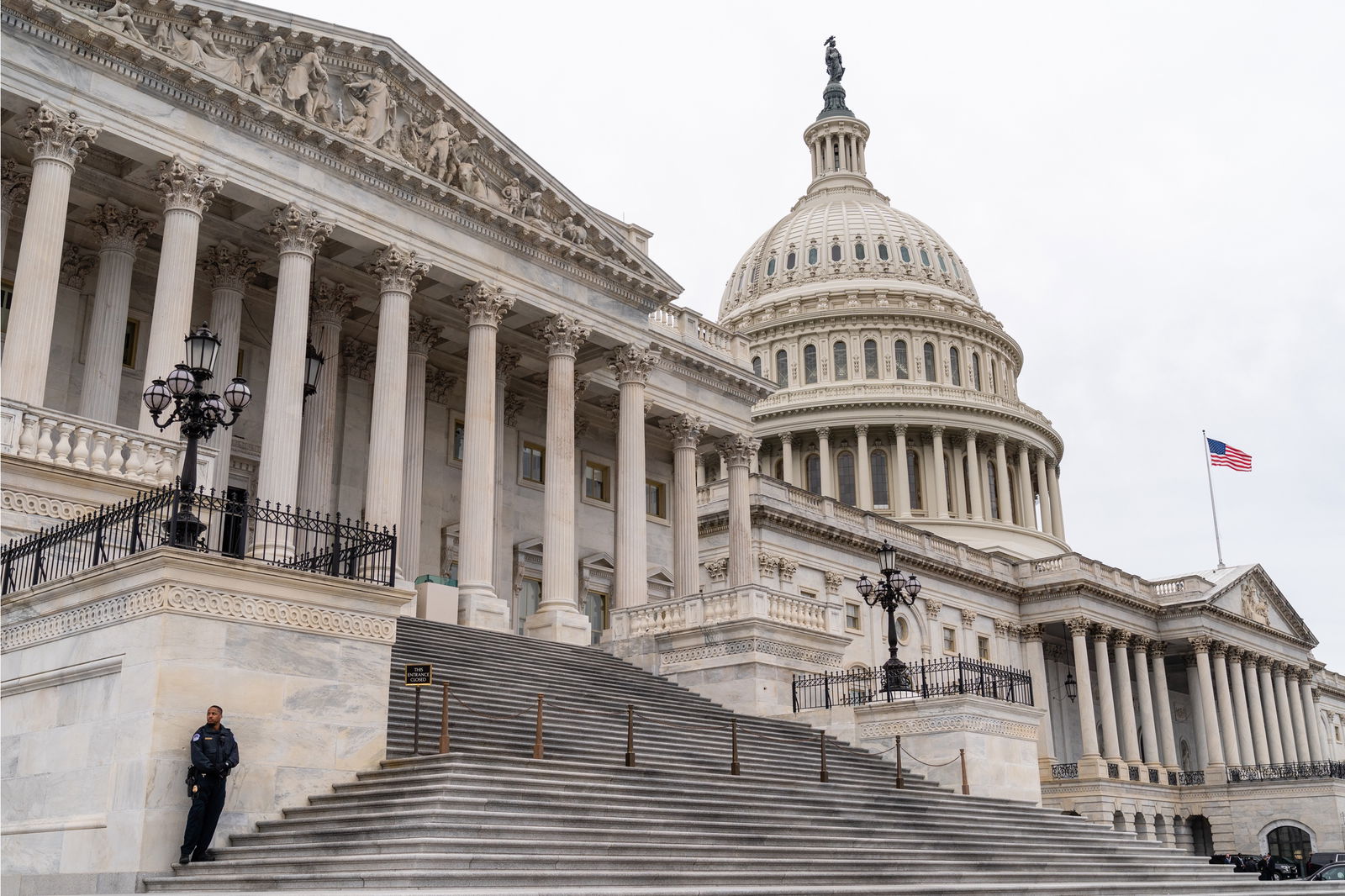


The number of black members of Congress could see a historic low, depending on how the conservative-led Supreme Court rules in a key redistricting case.
America could face steepest decline in black representation in Congress, depending on how The Supreme Court makes a decision on the redistribution case in Louisiana.
The Supreme Court is close to deciding the Louisiana redistricting case it could lacked the protections of Section 2 of the Voting Rights Act, NPR reported. If the conservative majority court rules against the current map Louisiana vs. CalaisAt least 15 congressional districts now represented by black lawmakers could be at risk.
For decades, Section 2 of the Voting Rights Act has helped increase black representation in the House by securing districts so that racial minority voters have a real chance to elect the candidates of their choice, especially in southern states with racially polarized voting. But at a hearing in October, the Supreme Court’s conservative majority signaled the Louisiana Republican’s argument that race should not play a role in redistricting.
Opponents of Section 2 say race-based mapping should end, citing the court’s rejection of affirmative action, a view also echoed by Trump’s Justice Department. If Republican-led states are no longer required to follow Section 2, many Democratic-held districts will likely disappear along with historic declines in black representation in Congress.
“And that’s not where we need to be in 2026,” said Pres Robinson, a black voter and civil rights activist in Baton Rouge.
Robinson’s Section 2 lawsuit initially forced Louisiana’s GOP-led legislature to to redraw his congressional maps. Now, with that decision at the heart of a legal battle over two majority-black districts in the state, Robinson warns that without Section 2 protections, black representation in Congress and the government could be reduced “on a very small scale.”
Court watchers expect at least a partial victory for conservatives, which could allow Republicans to redraw the maps in their favor by dismantling majority-black and Hispanic districts. Any reversal of Section 2 redistribution protection might as well threaten the representation of other racial and ethnic minorities, including at the state and local levels.
“For many of us today, Section 2 is why we stand before you as members of the Congressional Black Caucus,” Rep. Terry Sewell, D-Alabama, said after a Supreme Court hearing in the Louisiana case in October. “If this court were to overturn these important provisions, it would not only overturn decades of precedent, it would also take us back to a dark period in our nation’s history, a time when discrimination against minority voters went unchecked.”
RELATED CONTENT: Is Rep. Ayanna Presley Considering a Senate Run? Inside sources think so
