


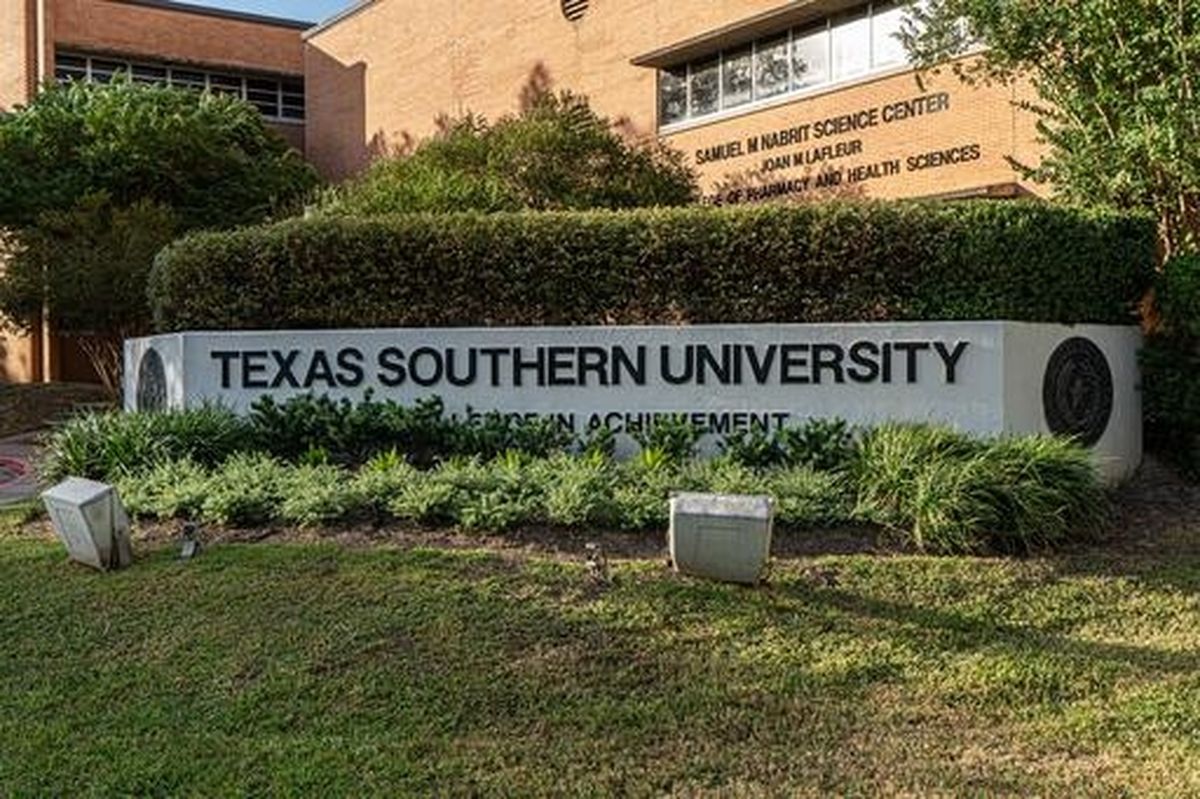

Texas Southern University has faced heightened scrutiny after Texas Lt. Gov. Dan Patrick called for a formal audit of the university’s financial operations, describing the initial findings as “deeply troubling.” The survey placed the Houston-based HBCU at the center of a growing conversation about financial oversight, governance and accountability at public higher education institutions across the state.

according to the information provided by KXANPatrick publicly raised his concerns after a state investigation found irregularities involving Texas Southern University’s finances, prompting him to call for a thorough audit by the State Auditor’s Office. The development drew attention not only because of Patrick’s language, but also because of TSU’s historic role as one of the nation’s largest and most prestigious HBCUs.
State officials are raising concerns about Texas Southern University’s financial statements
Lt. Governor Patrick’s comments came after an investigation into the Texas Legislature’s oversight of higher education spending. He cited what he described as troubling issues and called for a deeper investigation into how the funds were obtained. Texas Southern University managed. Although the specific details of the financial problems have not been fully disclosed to the public, Patrick said that the issues uncovered warrant immediate attention and transparency.
The audit requirement places TSU under the authority of the Texas State Auditor’s Office, which conducts independent investigations of state agencies and institutions. A formal audit will include a detailed examination of financial records, contracts and internal controls to determine whether funds are being used appropriately and in accordance with state law.
Texas Southern University Responds to Audit Request
Texas Southern University officials acknowledged the audit and emphasized their willingness to fully cooperate with any audit or review process. University leadership is confident that TSU is committed to transparency, accountability, and sound financial management, particularly as it continues to serve its predominantly black student population and fulfill its public mission.
While the university did not directly address what Patrick described as “deeply troubling,” officials emphasized that the audit is a routine part of public university governance and that TSU has undergone similar audits in the past. Administrators also highlighted ongoing efforts to strengthen internal controls and financial controls as the institution continues to grow enrollment and expand academic programming.
The Larger Context: Oversight, Politics, and HBCUs in Texas
The situation at Texas Southern University comes amid greater political scrutiny and increased oversight of public universities in Texas. As a publicly funded institution, TSU is subject to legislation, budget controls and audits that can be affected by changing political priorities at the Capitol.
For HBCUs, financial review often carries an additional burden. Historically underfunded institutions like TSU often operate with fewer resources while being held to the same eligibility standards as predominantly white institutions. Human rights defenders have long argued that increased oversight must be combined with equitable funding and structural support to ensure long-term stability.
Founded in 1927, Texas Southern University has dealt with financial and administrative challenges in the past while continuing to play an important role in educating black students and cultivating leaders in the fields of law, business, education and public service. Coverage of TSU’s milestones and challenges has been a consistent focus in ongoing reports on Texas Southern University and other HBCUs nationally.
What’s Next for Texas Southern University?
If the State Auditor moves forward with a full audit, the process may take several months and may result in recommendations or corrective actions depending on the findings. In some cases, audits may also lead to legislative hearings or policy changes related to governance and oversight.
University officials said they will provide documents and access when requested and will notify interested parties as the process unfolds. The outcome of the audit will be closely watched for students, faculty, alumni and supporters of Texas Southern University, especially as the institution works to maintain public trust and institutional stability.
As the situation develops, the case highlights the complex relationship between public HBCUs and state oversight, highlighting ongoing tensions around accountability, funding, and political influence in higher education. How Texas Southern University handles this moment could have broader implications for HBCUs in Texas and beyond.
